Reflecting on the Closure of the University of Idaho Women’s Center and the Importance of Intersectional Identity-Based Spaces
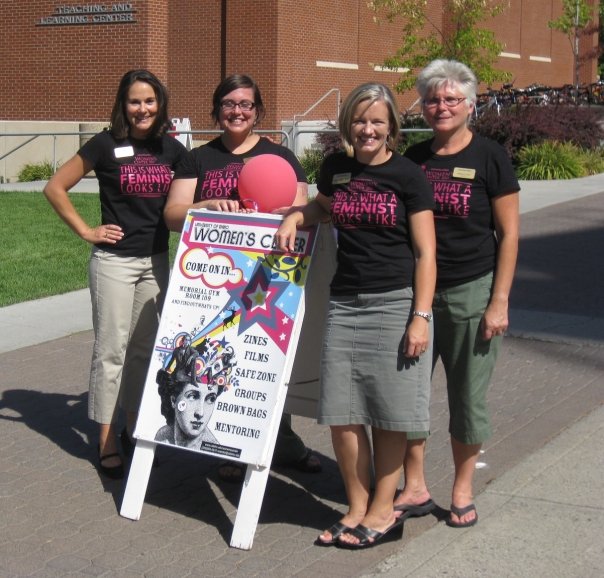
It’s with a heavy heart that I reflect on the devastating news that the University of Idaho Women’s Center (UIWC)—one of the longest continuously operating Women’s Centers in the nation at 52 years—will be closing later this month. Established in 1972 through the hard-fought efforts of Virginia Wolf and a council of activists who pushed for the landmark Conciliation Agreement, the UIWC stood as a beacon of progress and equity for over five decades. I truly believed its establishment was permanent.
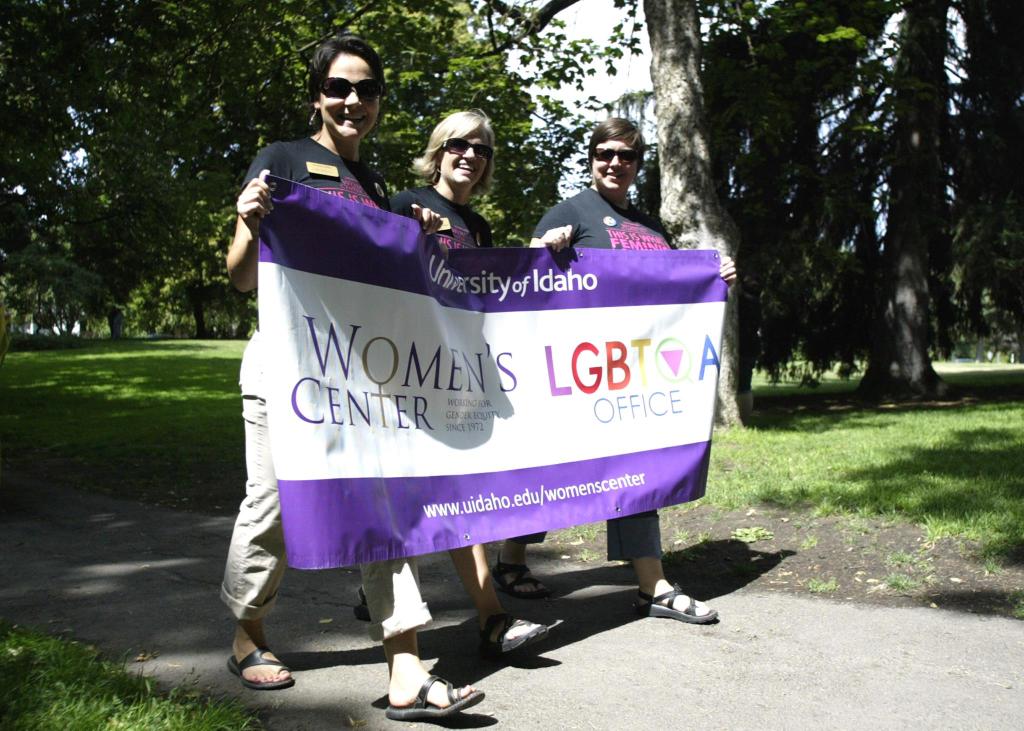
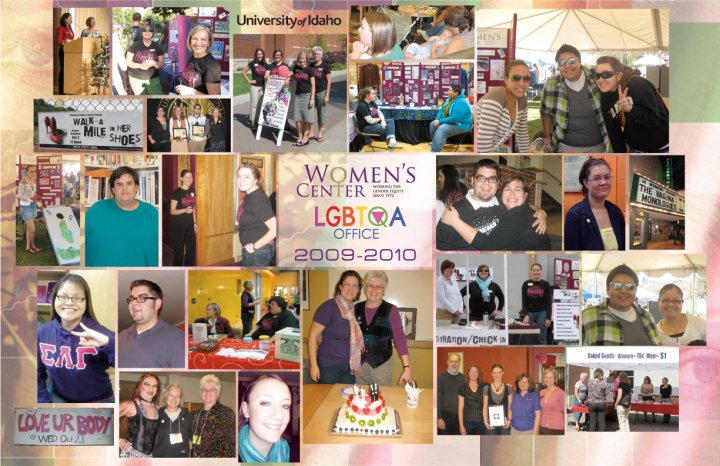
This closure comes alongside the dismantling of the larger Equity and Diversity Unit at the University of Idaho, including the Office of Multicultural Affairs and the LGBTQIA+ Office, due to recent resolutions by the Idaho State Board of Education and pending legislation. Together, these losses represent a profound erasure of spaces dedicated to supporting marginalized communities, fostering belonging, and advancing equity and justice on campus.
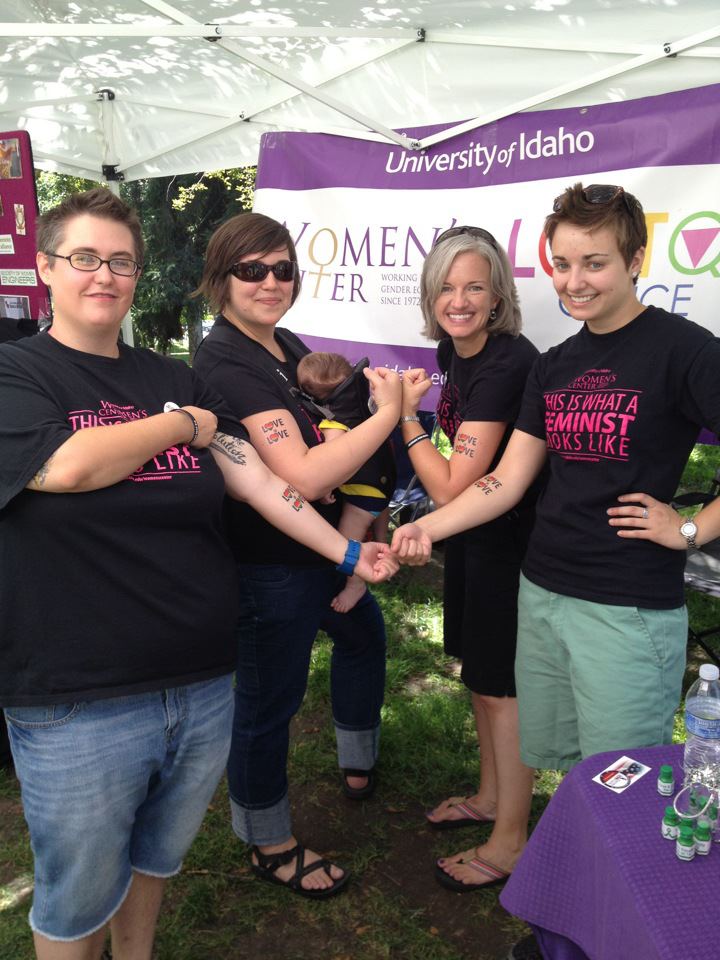
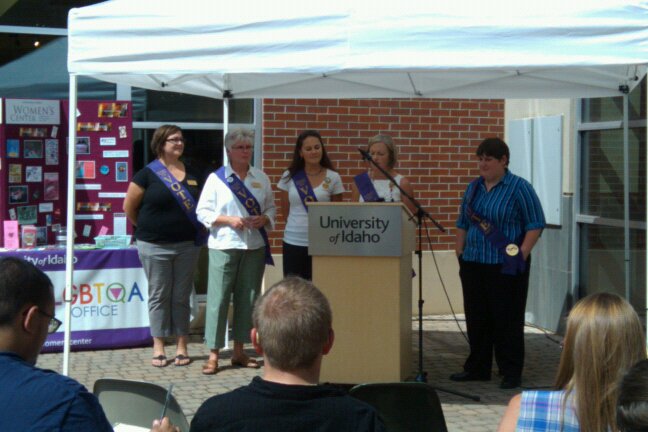
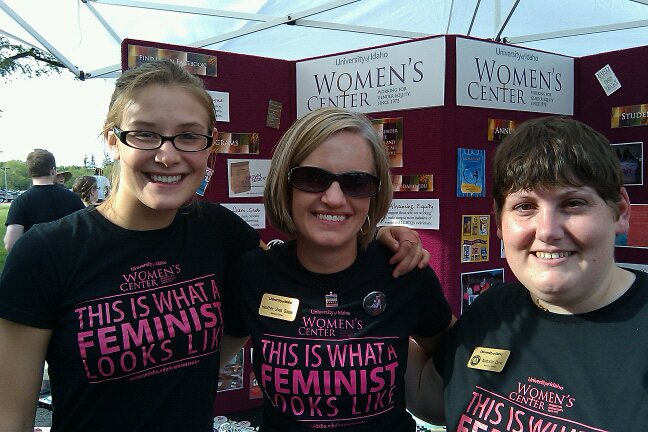
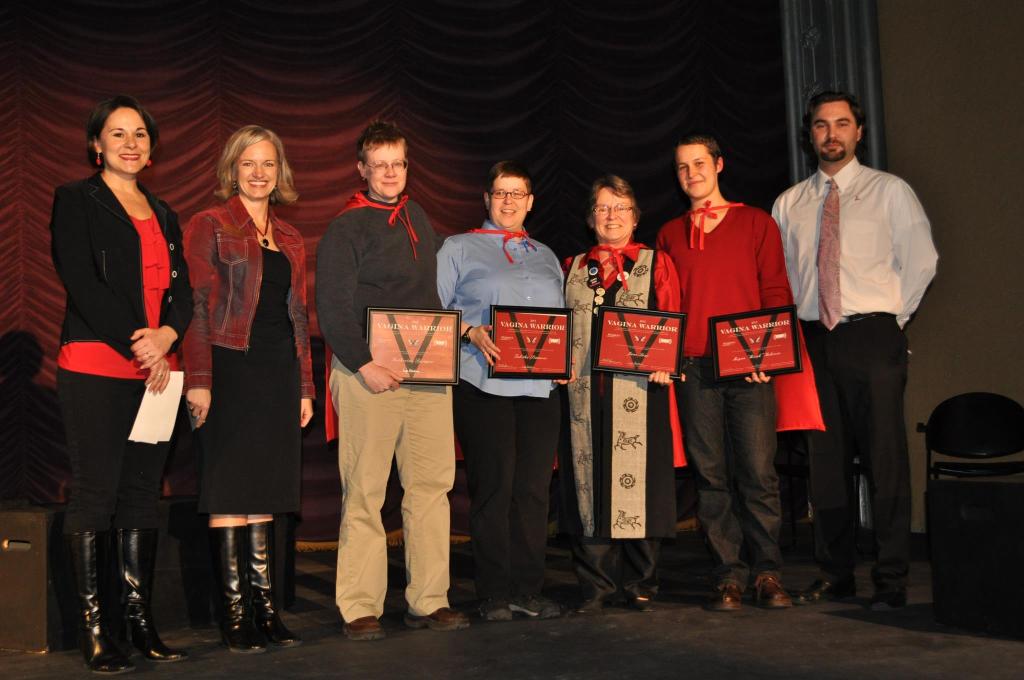
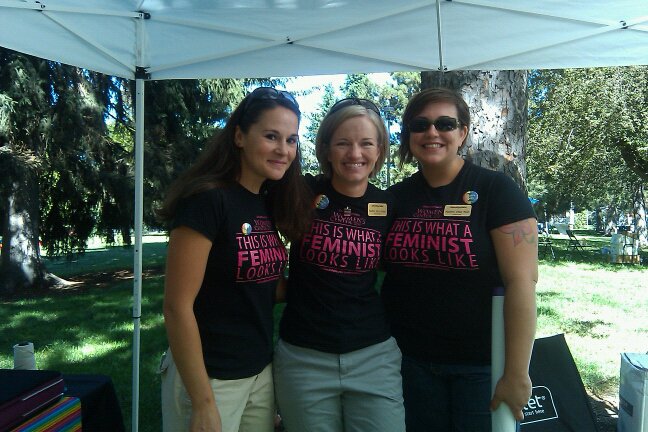
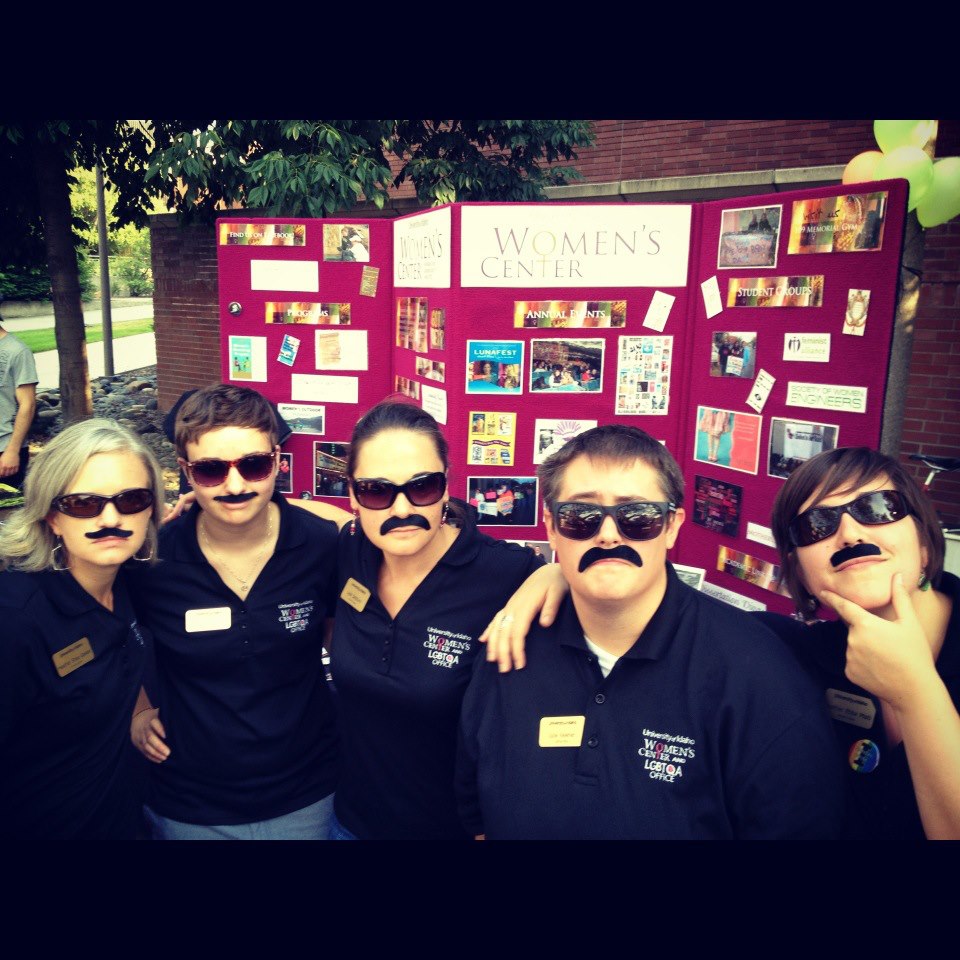
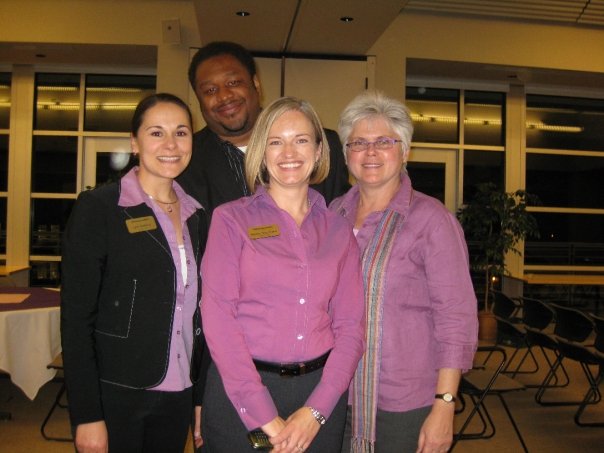
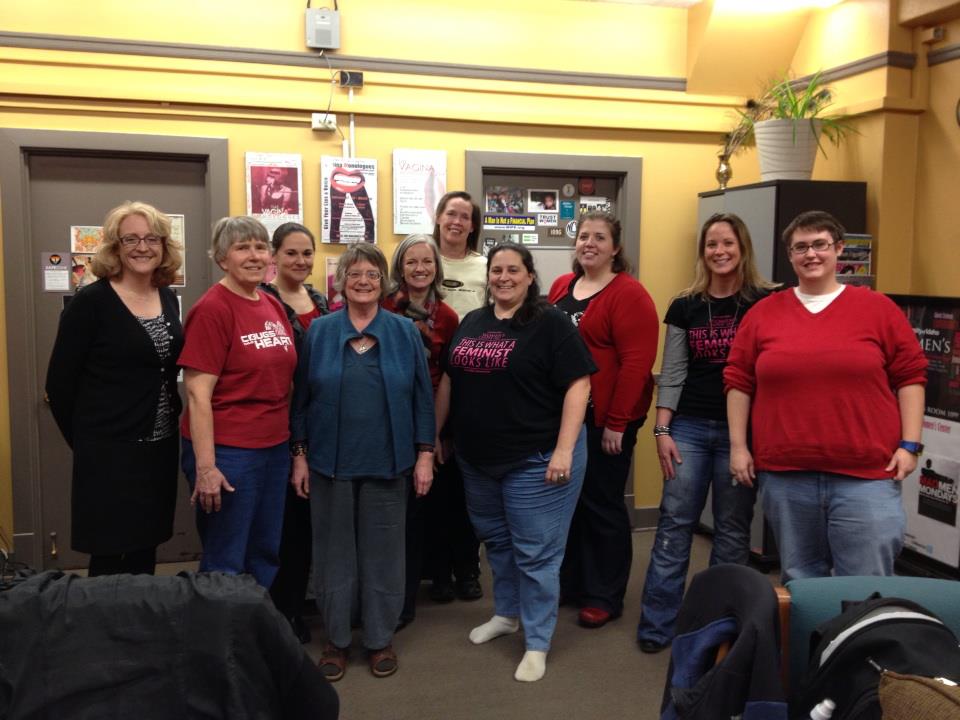
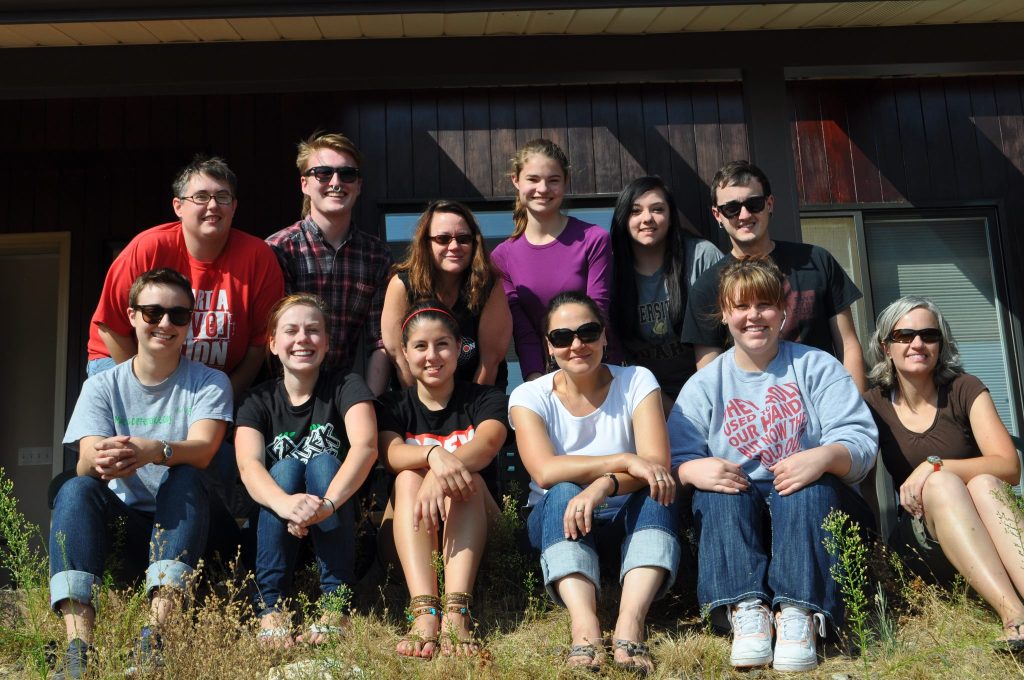
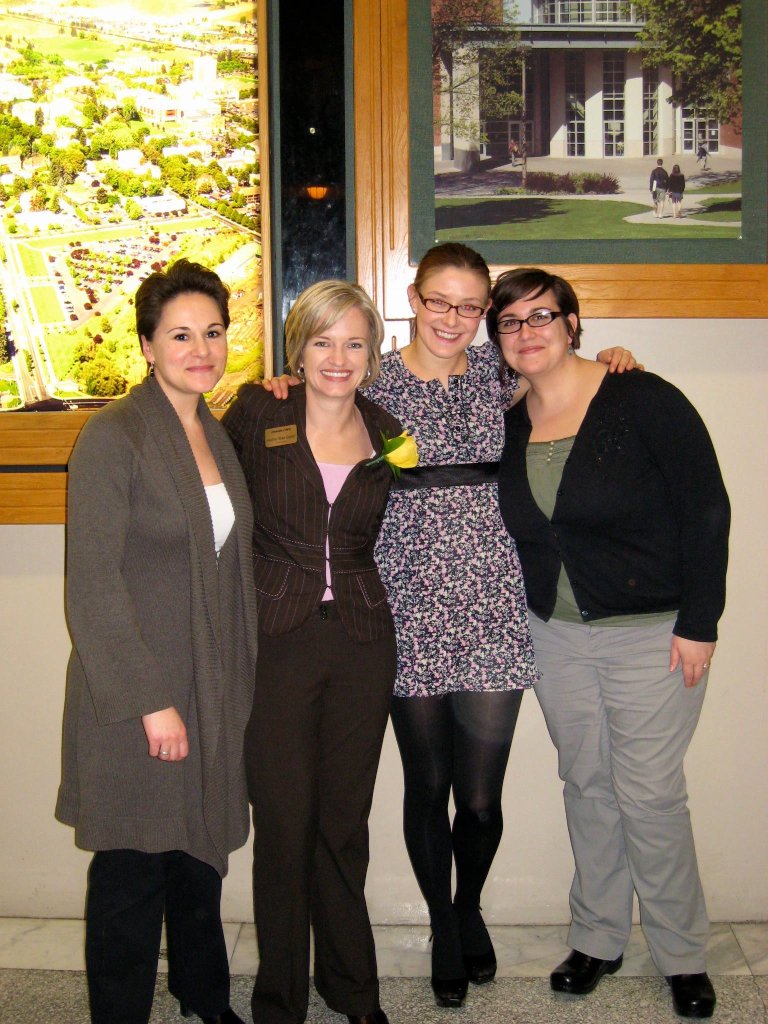
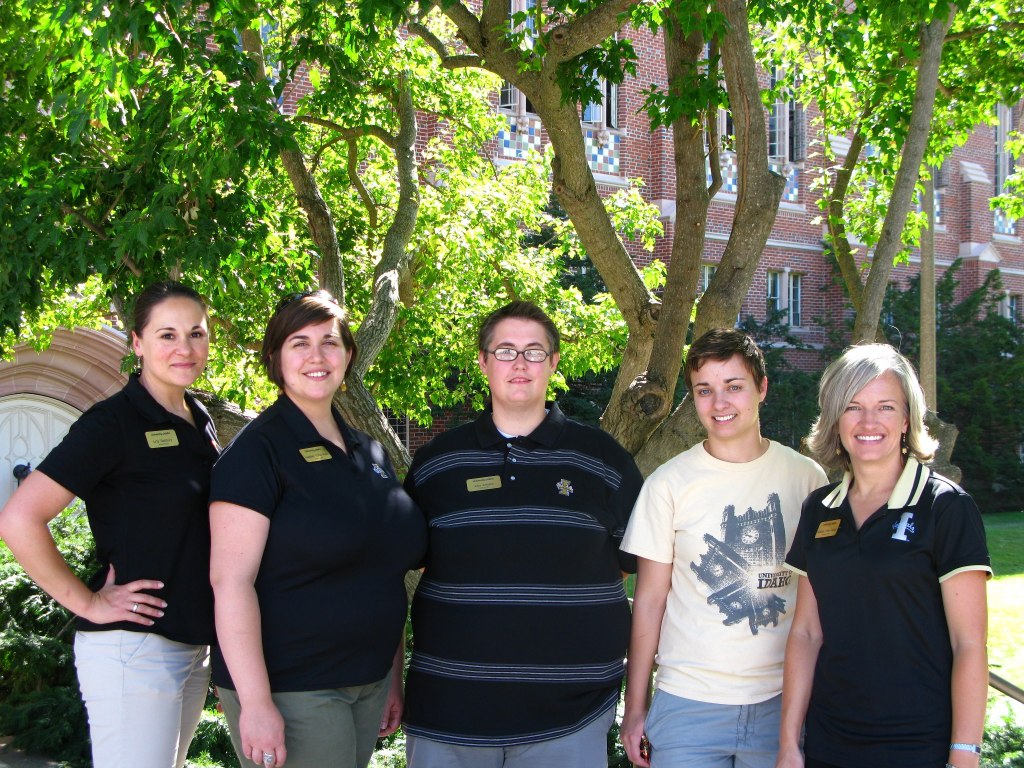
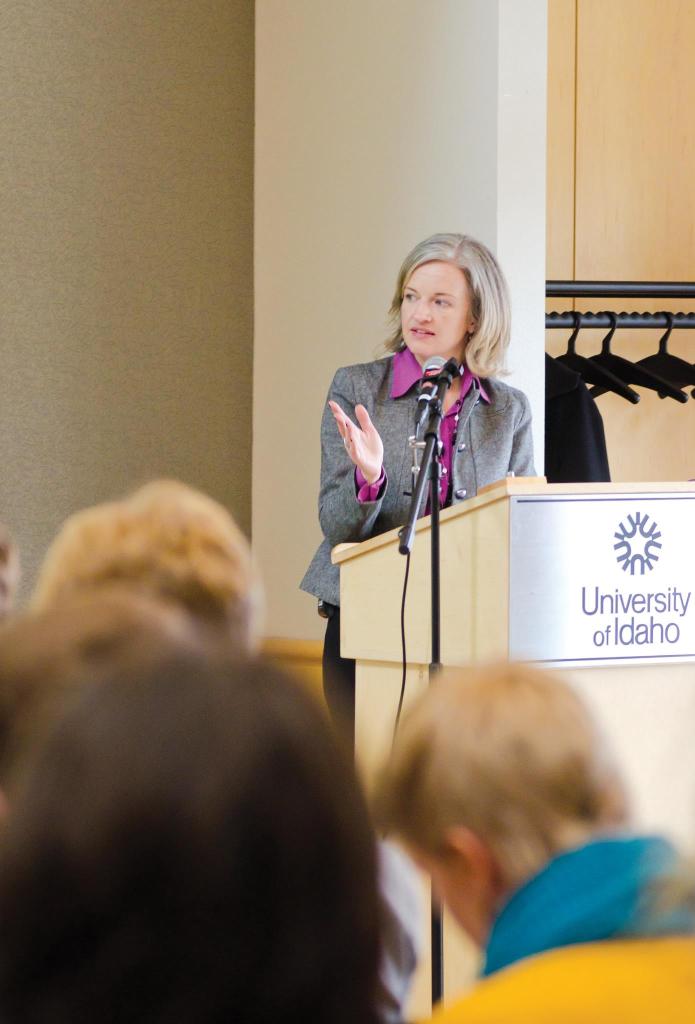
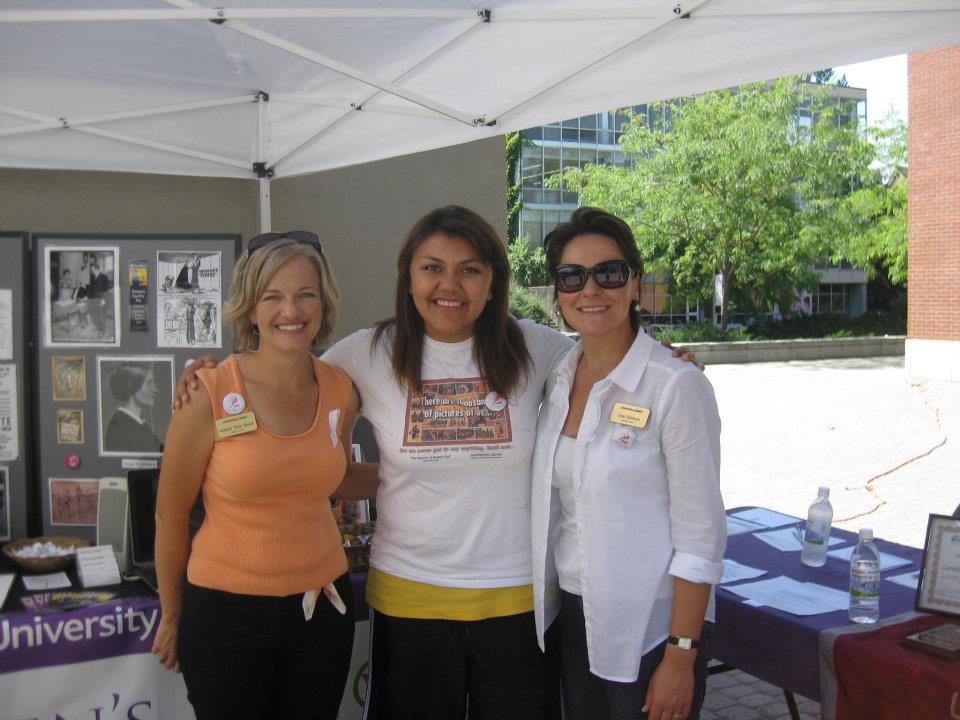
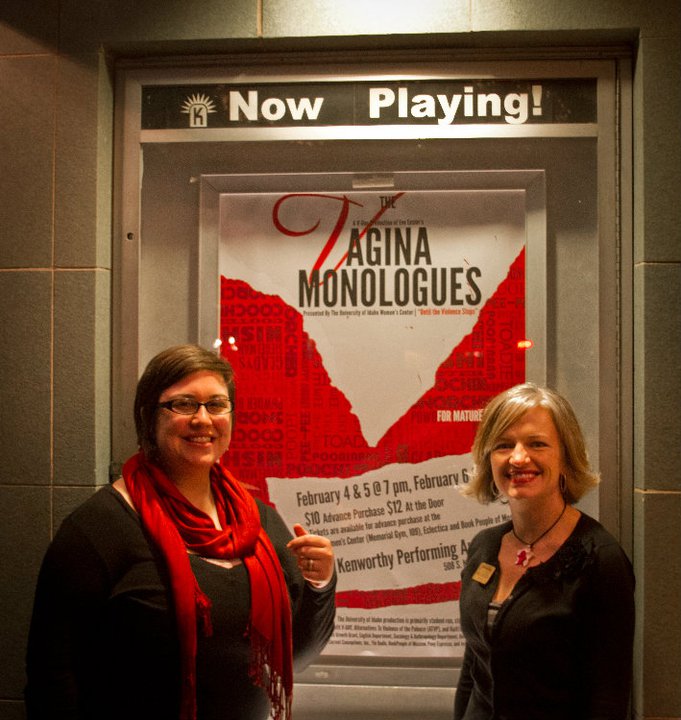
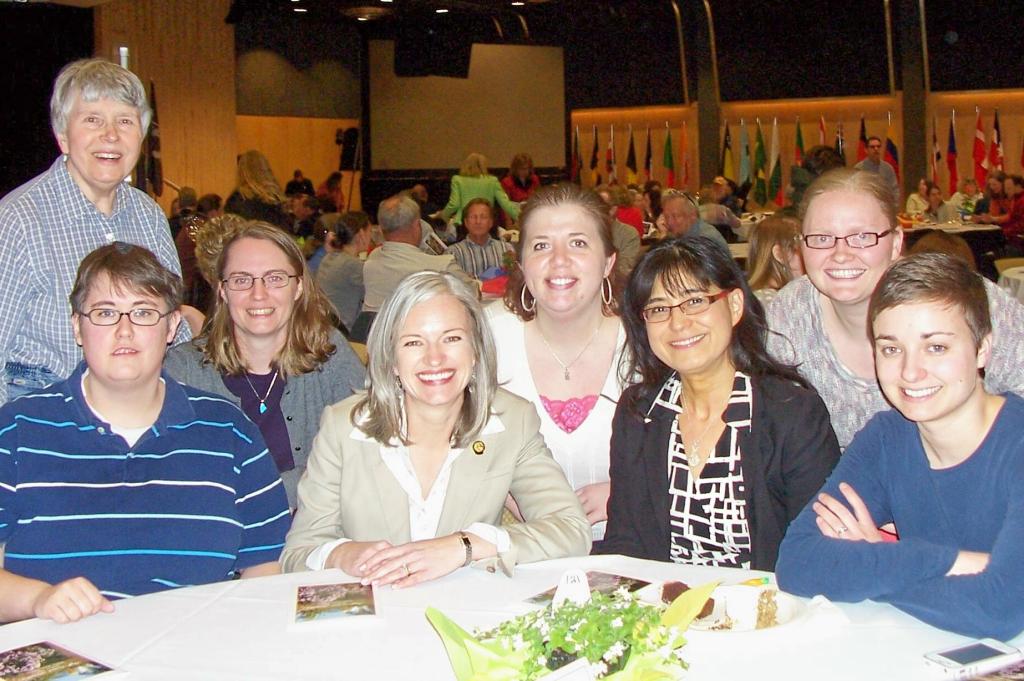
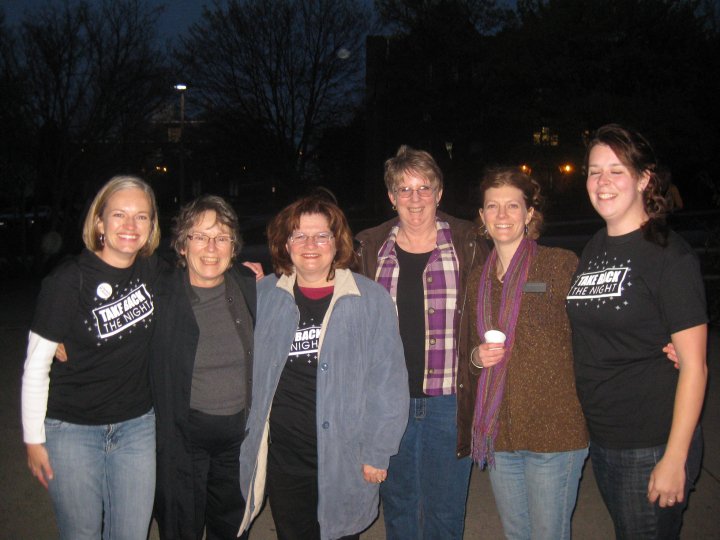
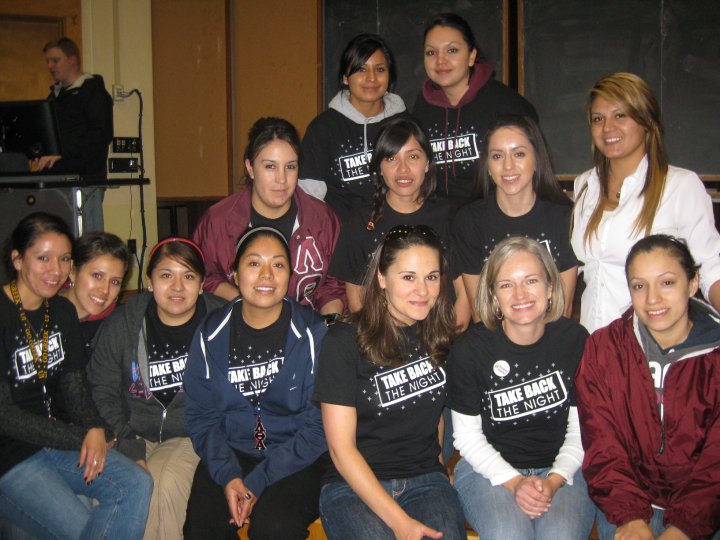
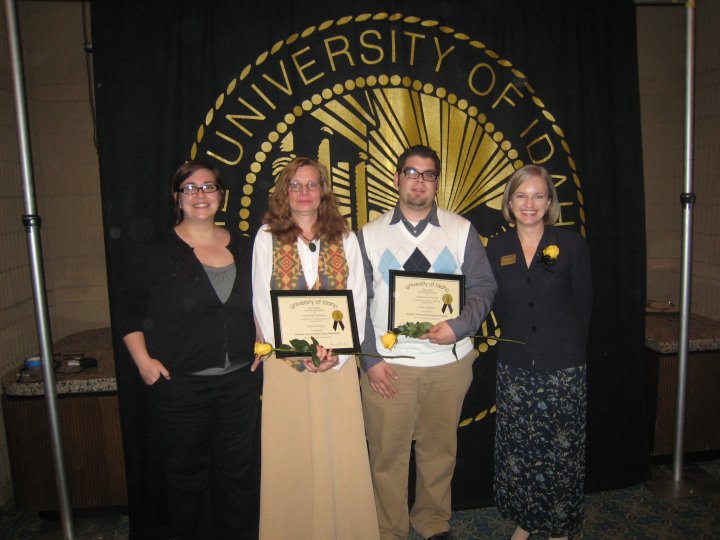
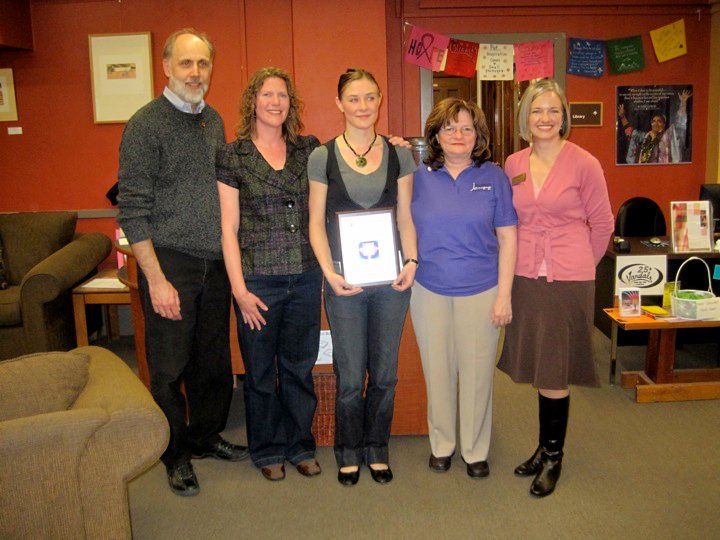
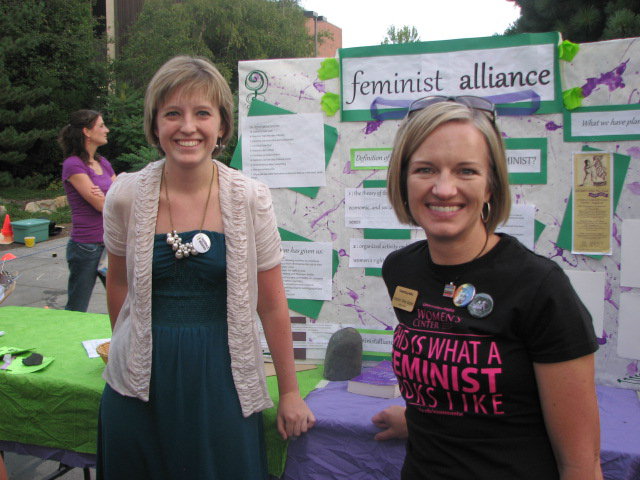
While this is not an isolated event—many institutions across the country are scaling back or shuttering DEI initiatives—the news hits painfully close to home. From 2008 to 2013, I had the privilege of serving as director of the UIWC, a role that profoundly shaped my identity and career in student affairs. Those 5½ years, along with my tenure leading the W*SS office at MSU from 2019 to 2024, were transformational. These experiences taught me the power of creating spaces where students can find community, empowerment, and validation.
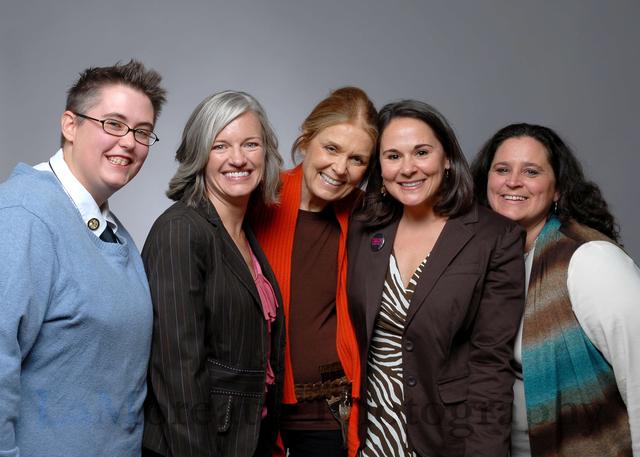
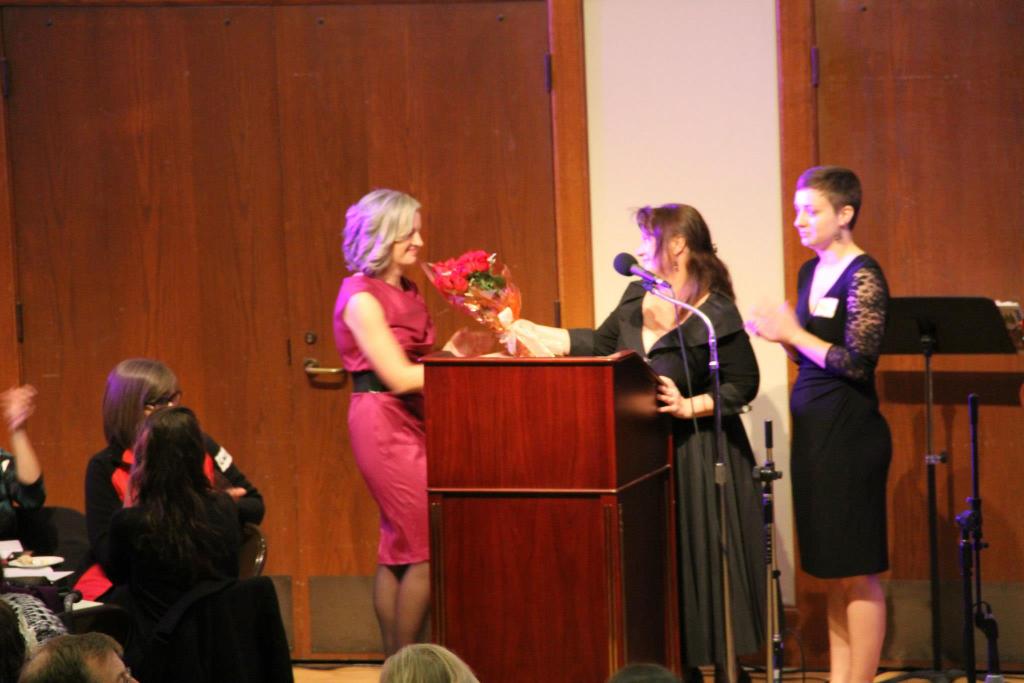
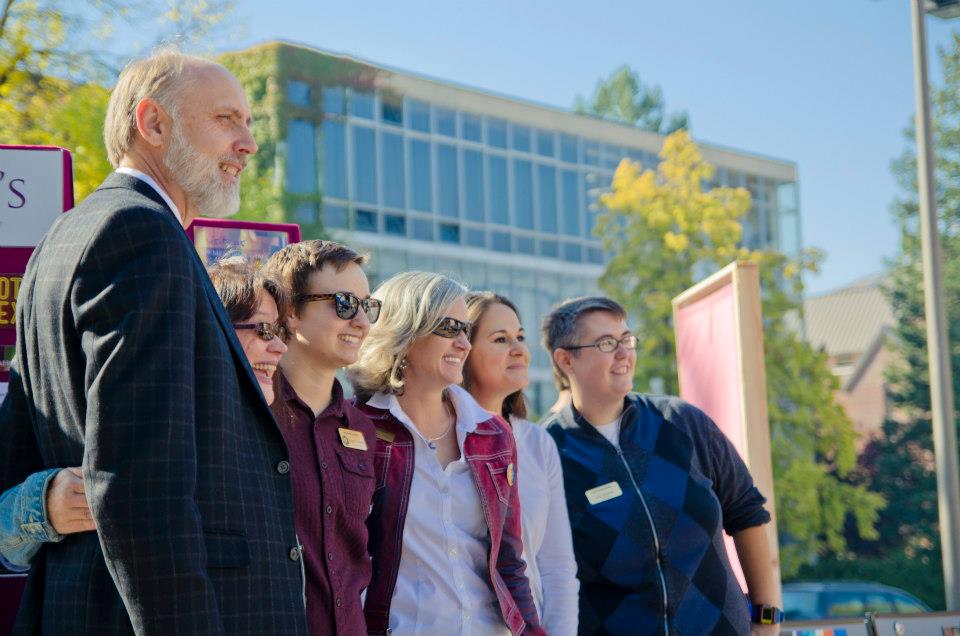
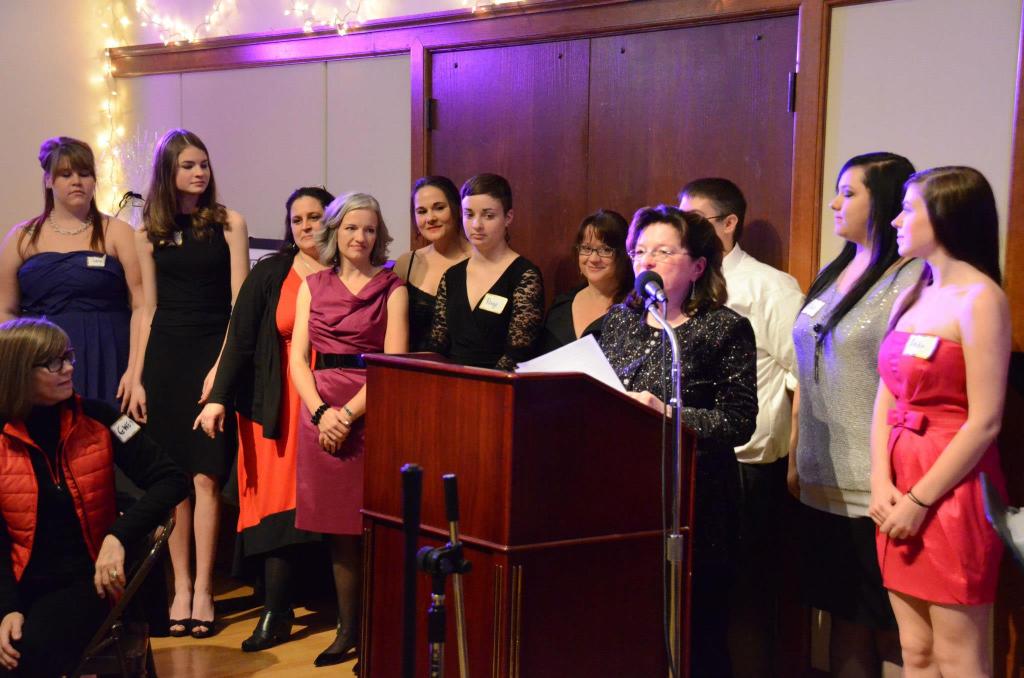
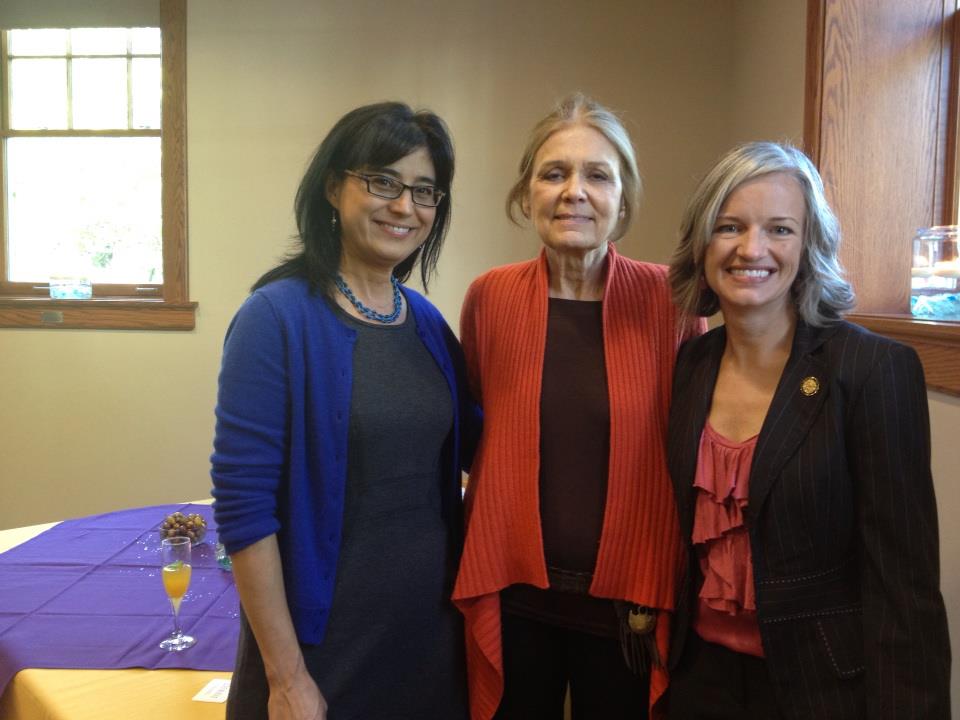
In 2012, during my time as director of the UIWC, I had the honor of leading the celebration of the center’s 40th anniversary. The year-long series of events featured a talk at the UI Kibbie Dome (!) by Gloria Steinem, a fundraising Gala, and a series of impactful workshops and other recognitions. This screenshot is the UI’s MAIN website during that celebration.

As I look back on my time at the UIWC, I’m overwhelmed with gratitude for the mentors, colleagues, and students who walked alongside me on that journey. To Dr. Lysa Salsbury, who carried the UIWC’s mission forward with such unwavering dedication after my departure, and to all the former staff who contributed to its legacy: thank you. And to my mentor, Kay Keskinen, whose belief in me helped quiet moments of doubt and imposter syndrome—I am forever indebted to your support, care, and love. You reminded me of something I’ve carried with me ever since: “Sometimes the things in life that scare you the most turn out to be the most rewarding.”
The closure of the UIWC is emblematic of the precarious state of DEI initiatives nationwide. Political and cultural attacks have rendered these spaces vulnerable, despite their well-documented impact in fostering belonging and advancing equity. I’ve seen firsthand the disconnect between the critical need for these centers and the lack of institutional commitment to sustaining them. It’s a disheartening reality, but one that makes our advocacy for these spaces more urgent than ever.
For countless students, centers like the UIWC have been lifelines—places where identities are celebrated and supported, and where solidarity against gender-based oppression is built. But their simultaneous dismantling underscores a deeper truth: the fight for social justice is interconnected. Women’s centers, multicultural affairs offices, and LGBTQIA+ resource centers have always been critical for fostering ecosystems of support. These spaces don’t just uplift individuals; they nurture environments where intersecting identities—race, gender, sexuality—can thrive. Yet we must also confront hard truths: women’s centers, like all institutions, are not immune to systemic racism and whiteness. This moment calls for unity in solidarity, not division.
As we mourn the loss of one of the oldest Women’s Centers in the United States, we must recommit to the fight for these spaces—not just for what they represent today but for the futures they make possible. Women’s and gender equity centers are more than physical places; they are hubs for activism, hope, and transformation. They show us what’s possible when we center equity, belonging, and justice in our work.
Even in the face of these challenges, I remain critically hopeful. As Kari Grain reminds us in Critical Hope, hope paired with action is transformative. I’ve seen that transformation firsthand, like the student-led sexual health initiative following the Dobbs decision at MSU. Their resilience reinforced my belief in the power of these spaces to drive meaningful change.
For those of us who care deeply about equity and justice, the road ahead may be uncertain, but the work is worth it. These spaces are worth it. Solidarity, equity, and justice are worth it—now more than ever.














 Heather Shea, Ph.D.
Leave a comment