From Mattering to Meaningful Change
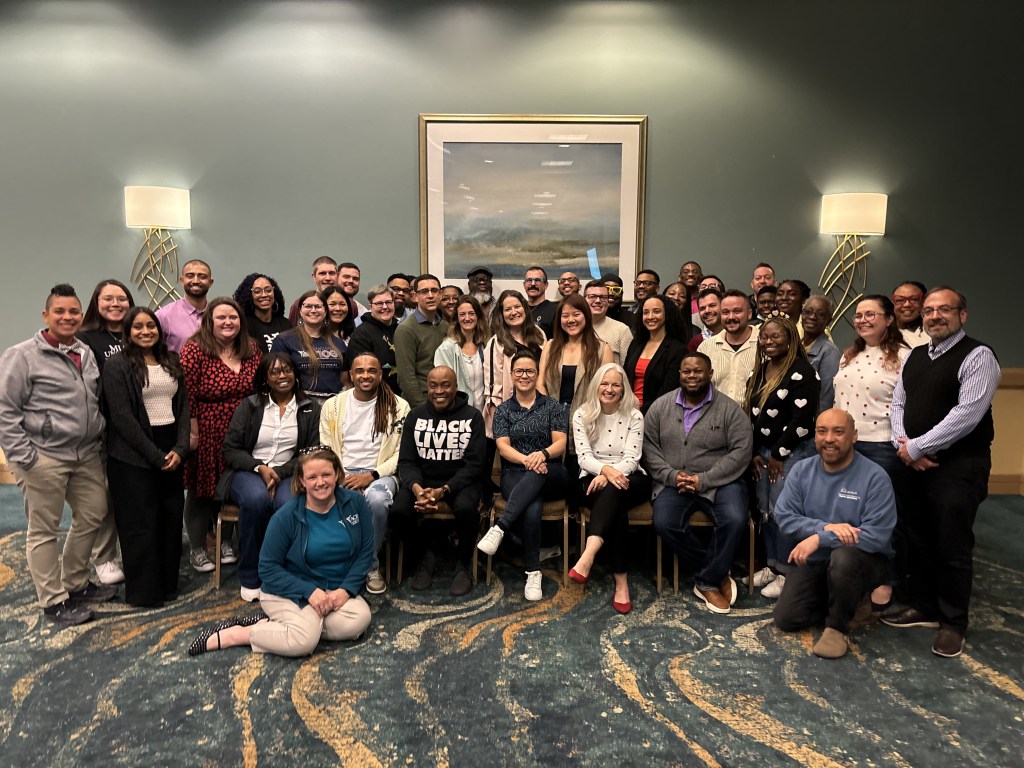
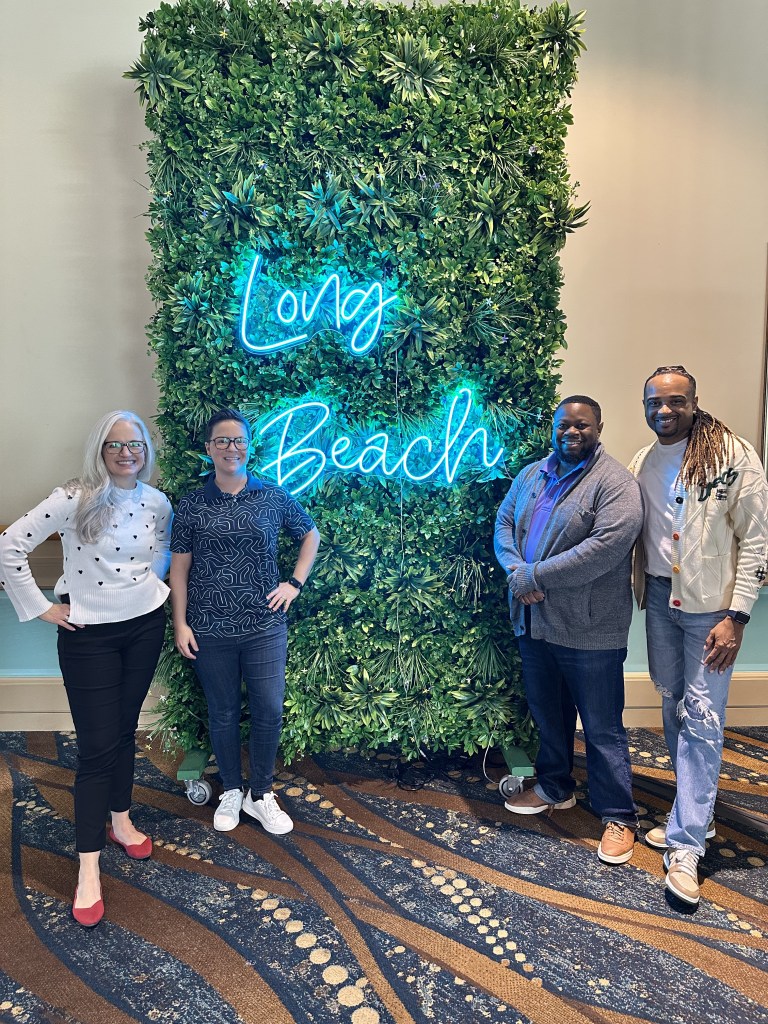
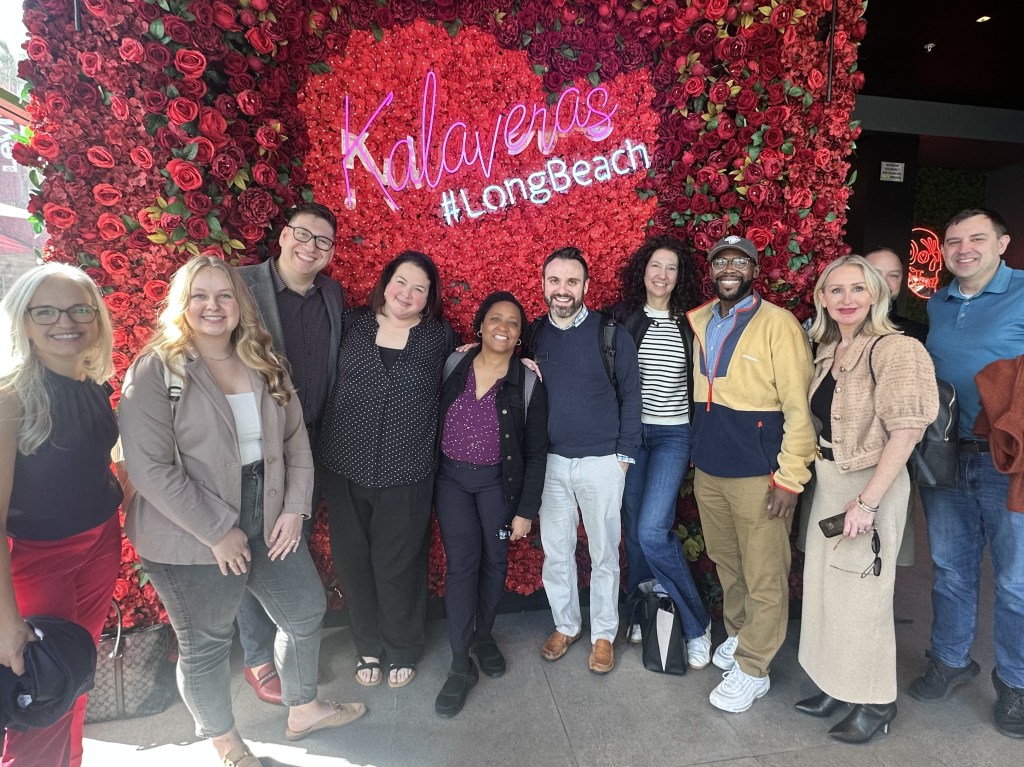
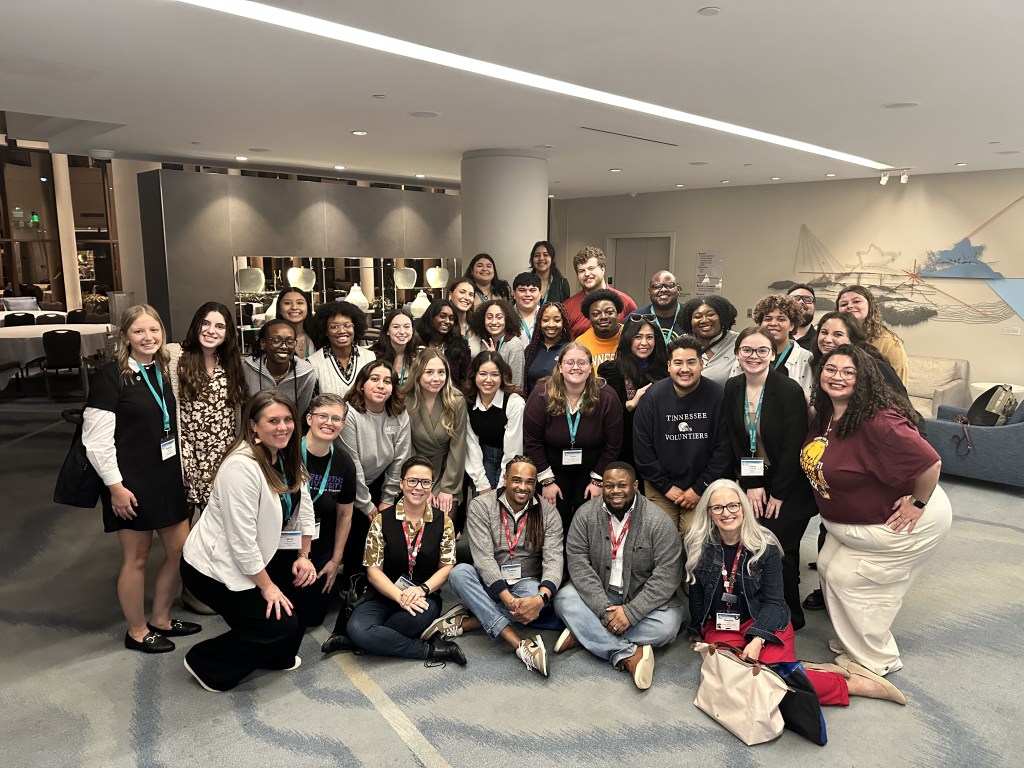
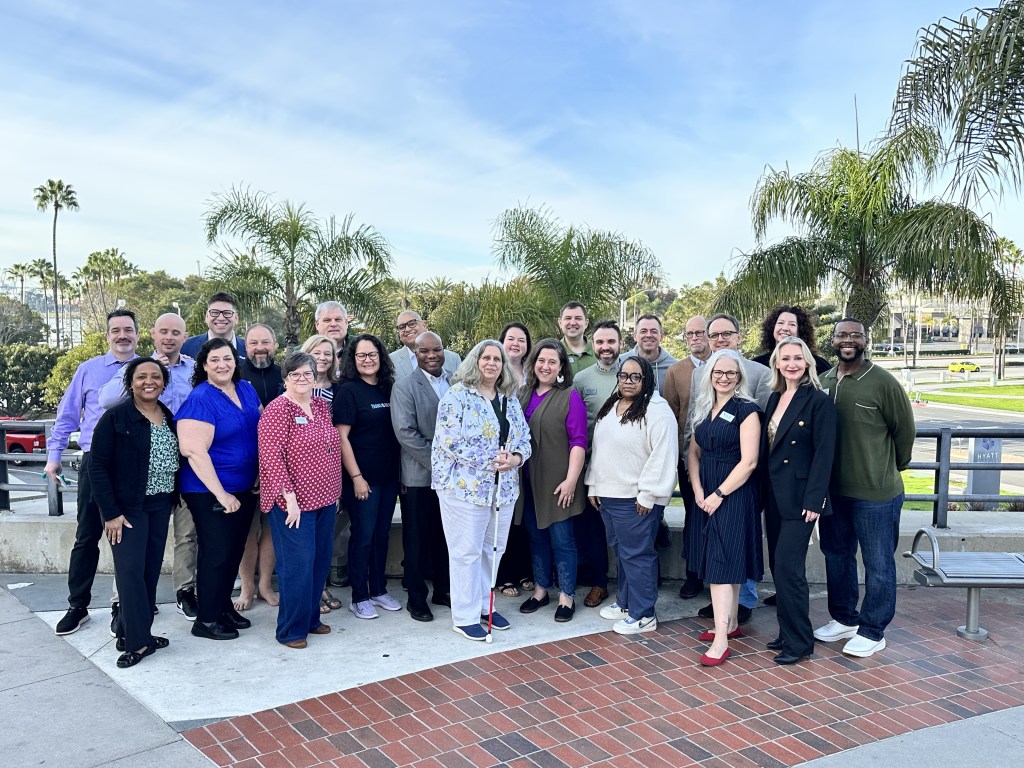
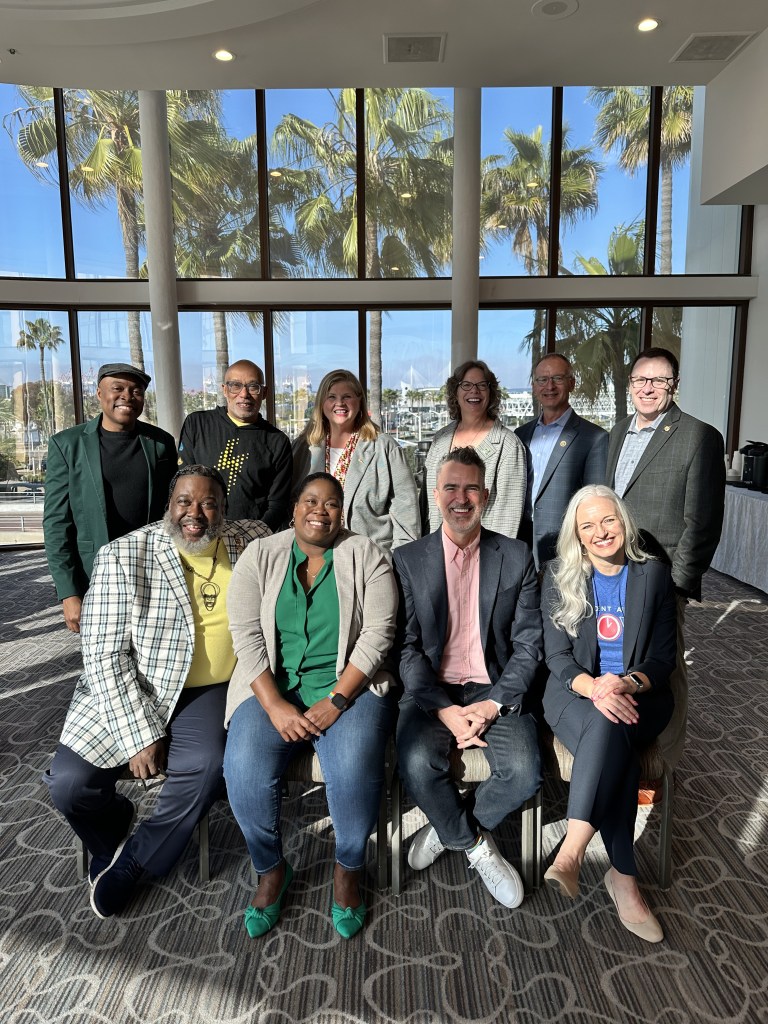
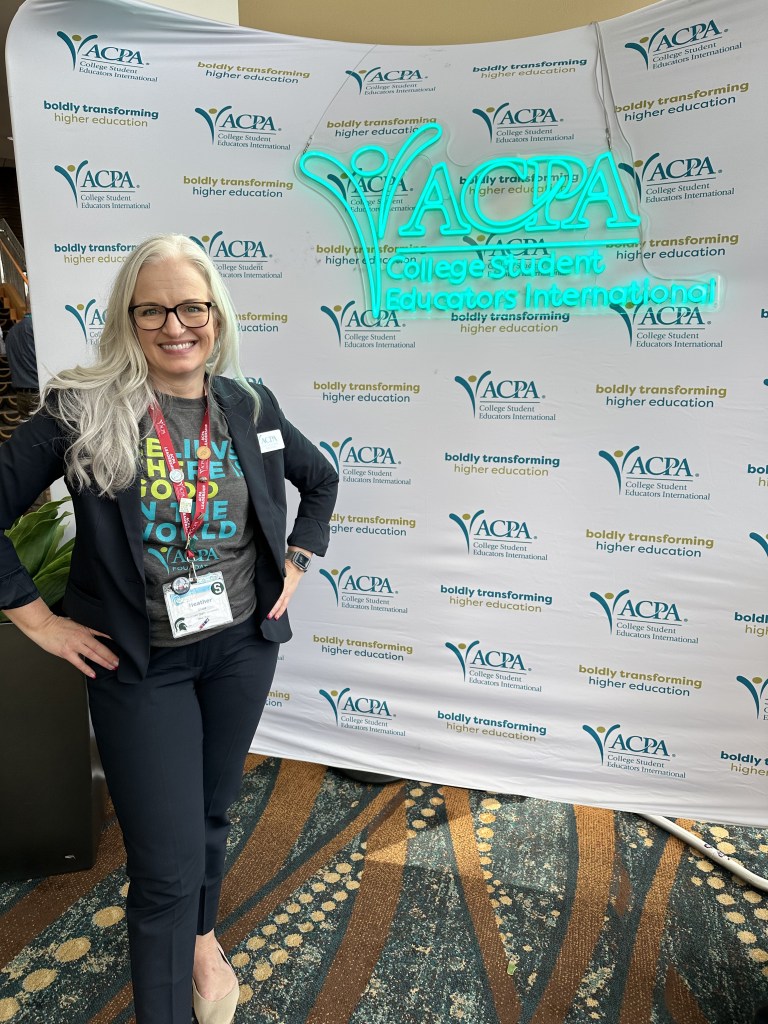
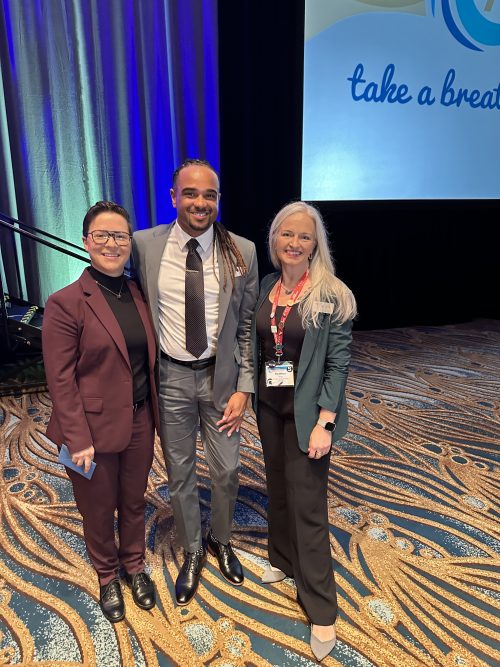
It’s been a little over a week from my time at the ACPA 2025 Convention in Long Beach, I find myself reflecting on transitions—those moments of change that reshape our identities and challenge our sense of belonging. Having now completed my term as ACPA Past-President, I am moving into a new role with the ACPA Foundation, and I can’t help but think about Peggy Schlossberg’s Transition Theory. Though often applied to students, its themes of mattering and marginality feel especially relevant in this professional association involvement shift.
For the past two+ decades, my involvement with ACPA has provided me with a strong sense of purpose and connection as I’ve moved from commissions, to networks, to convention planning, to governance. In leadership roles, we often find validation in the ways we contribute to a shared mission. We matter because we are seen, our voices influence decision-making, and our labor helps shape the organization. But with transition comes a shift in identity, and as my role on ACPA Leadership Council concludes, I’m going to be honest — I feel the tension of marginality—the sense of being on the periphery of a space that once felt central to my professional world.
Transitions bring loss as much as they bring new opportunities. It is easy to focus on the excitement of what’s next—building new networks, embracing new projects, and exploring new ways to contribute. But we must also acknowledge the emotions that come with closing a chapter. ACPA has (and will continue to be) a community, a home, and a professional anchor for me. Leaving an active leadership role can feel like stepping away from a part of oneself.
For any leader who has recently transitioned out of any prominent role, it is important to consider rest and resilience. What comes next is not just about new responsibilities but also about taking time to recover and reflect. For me, the past year serving as past president has provided some time for reflection and rejuvenation.
So how do we transition with intention? How do we navigate the loss of one role while stepping fully into another? Drawing from Schlossberg’s theory, I offer a few action steps for those undergoing similar professional transitions:
- Acknowledge the Loss – Give yourself space to reflect on what you are leaving behind. It’s okay to grieve the end of a leadership role, a professional community, or the identity you held within that space.
- Identify Your Support Systems – Just as students need a strong network when transitioning, professionals do too. Who are the colleagues, mentors, and friends who will support you in this next phase?
- Find Ways to Stay Connected and Build Coalitions – Moving on doesn’t have to mean disappearing. Consider how you can maintain meaningful relationships or contribute in new ways that align with your evolving role. In times when our work is being attacked and restricted, building coalitions across institutions and organizations becomes even more critical. Strengthening these networks ensures that advocacy, support, and progress continue regardless of professional transitions.
- Redefine Your Sense of Mattering – What makes you feel valued in your new position? How can you apply your leadership skills in a way that fosters belonging in your new professional space?
- Embrace Growth – Every transition, no matter how difficult, offers an opportunity to evolve. What new possibilities exist in your next chapter, and how can you approach them with curiosity rather than apprehension?
As I step into my new role as a trustee on the ACPA Foundation, I hold these reflections close. Transition is not just about moving forward; it is about carrying the lessons, relationships, and impact from one space into the next. My time with ACPA has shaped me, and while my role is changing, the commitment to student success and leadership development remains constant.
For anyone experiencing a professional shift, I encourage you to reflect on how you can navigate these moments with purpose. We all move between mattering and marginality at different points in our careers, but with intention and support, we can continue to find spaces where we thrive.

 Heather Shea, Ph.D.
Leave a comment